
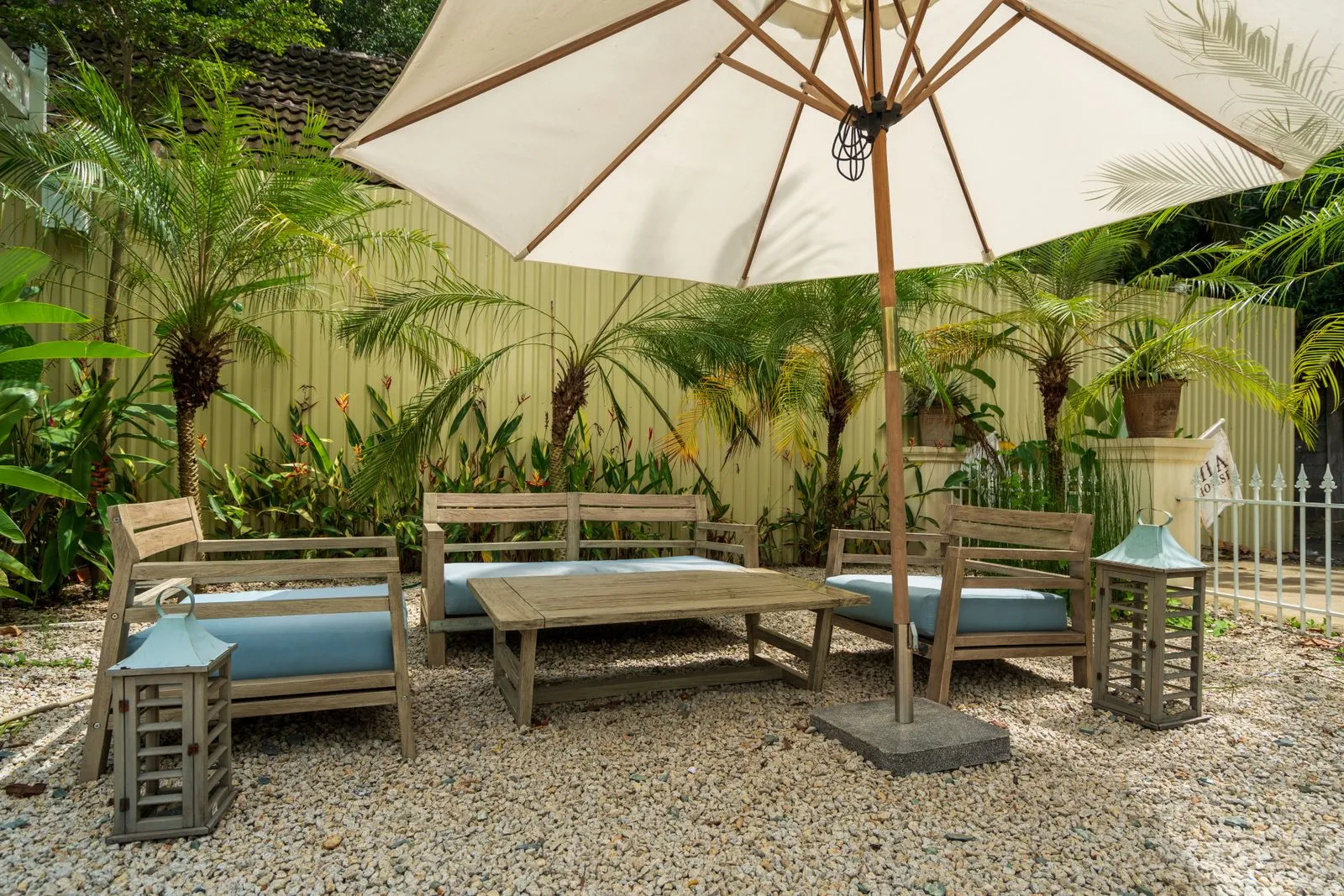
A garden can have full sun near the sidewalk, dappled light under a tree, and deep shade beside the house—all within a few steps. Matching plants to those conditions starts with observation, not guesswork. Track how sunlight moves across your yard, note what changes during the growing season, and mark distinct planting zones. This simple plan helps you choose suitable plants, reduce avoidable stress, and make better use of every part of your outdoor space.
Track Light Across the Yard
Choose a clear day and check your yard in the morning, around midday, and in the afternoon. Sketch the main features, such as the house, fences, trees, and planting beds. On the sketch, mark which areas receive direct sun, filtered light, or shade at each check. Repeat the observations on another day if clouds or unusual conditions affect the first set.
Record approximate hours of direct sunlight for each area rather than labeling it only sunny or shady. Direct sunlight reaches a spot without being filtered by leaves or structures; dappled light passes through a canopy. A quick phone photo from the same viewpoint at each check can help you compare patterns later.
Account for Seasonal Changes
Light patterns shift as the sun’s path changes and deciduous trees leaf out or lose their leaves. A bed that receives spring sun may become shaded in summer, while a bare tree can let more light through in winter. Note what you observe now and revisit the map as the season changes, especially before making a large planting plan.
Also look for temporary shade from parked vehicles, movable furniture, or nearby construction. Nearby buildings can block low-angle morning or late-day sun even when a space looks open at midday. These details matter when choosing plants for a specific spot, so describe the conditions as they occur during the part of the year when you want the garden to thrive.
Create Clear Planting Zones
Divide the yard into practical zones based on the light map: sunny, partly shaded, and mostly or deeply shaded areas. Draw boundaries where conditions noticeably change, such as the edge of a tree canopy or the shadow line along a wall. If light varies within a bed, mark smaller pockets instead of assigning one label to the entire space.
Check other conditions before selecting plants. Soil moisture, drainage, wind exposure, and soil type can differ even between neighboring zones. A sunny slope may dry quickly, while a shaded low spot may stay damp. Test the soil and watch how quickly each area dries after rain so your plant choices reflect both light and water needs.
Match Plants to Conditions
Use plant labels or reliable local references to confirm how much direct sun each plant needs. Compare those requirements with your observations, including seasonal changes. Group plants with similar light and moisture needs together; this makes watering and ongoing care easier. Avoid placing a plant that needs sustained sun in a spot that receives only a brief beam of afternoon light.
In Washington, DC, local climate and site conditions can influence which plants perform well, so seek recommendations suited to the area. Start with a few plants in each zone and observe how they respond through the growing season. District Waterwise can help homeowners turn a light map into a planting plan that fits their yard.
A useful garden plan begins with a clear picture of where sunlight falls and how that pattern changes. Map the light, identify distinct zones, and check moisture and soil before choosing plants. Keep your notes so you can refine the plan over time, or consult a local garden designer for help selecting plants for your site.